
Business Systems Audit: Find the Right System to Build First
A focused, paid Business Systems Assessment that identifies where your company is losing time, money, momentum, and control.
We examine your CRM, business workflow, lead handling, reporting, tools, data, and business operations to uncover the real cause of the problem. You receive a clear diagnosis and a prioritized business system design showing what to fix or build first.
Start With a Business Systems Audit When the Real Problem Is Not Obvious
A focused system build is appropriate when you already know what is broken. A Business Systems Assessment is the right starting point when several parts of the company appear disconnected and the root cause is unclear.
Start with the assessment if:
- Your business is working harder than it should, but you cannot identify the single cause.
- You suspect the problem may involve your CRM, follow-up, reporting dashboards, business workflow, or internal operations.
- You have added tools, software, or employees, but important work is still being managed manually.
- Leads, customer information, tasks, and responsibilities are being lost between departments.
- Your team relies on spreadsheets, inboxes, memory, or undocumented processes.
- You want an expert diagnosis before committing to a major system build.
- You need to understand which business process systems should be improved first.
Already Know What Is Broken?
When you can clearly identify the system you need, you may not require a full audit. Choose the appropriate system and let us scope the implementation directly.
Choose Your SystemA Real Business Systems Diagnosis, Not a Sales Call
The Business Systems Assessment is a paid diagnostic engagement—not a free discovery call presented as consulting. A paid business systems audit allows us to do the real work of understanding how your company operates.
We examine the relationship between your CRM, lead capture, follow-up, sales process, reporting, tools, data, team responsibilities, and business operations. You receive useful findings and a recommended business system design whether or not you hire Nonconformist Inc. to complete the implementation.
What You Receive From the Business Systems Audit
A Clear Diagnosis
A plain-language explanation of where your company is losing time, revenue, visibility, and momentum—including friction points, disconnected tools, manual processes, unclear responsibilities, and breakdowns between teams.
A Prioritized Build Path
A sequenced recommendation showing which system should be fixed or built first and what should follow, so your company does not create more disconnected workflows or business process systems.
A Recommended Business System Design
A practical view of how the necessary tools, workflows, automations, reporting, and team responsibilities should work together, giving your company a clear direction for implementation.
A Grounded View of Your Technology Stack
A review of what should be retained, connected, cleaned up, rebuilt, replaced, or removed. The goal is not to add more software—it is to make the systems your company depends on work together.
What a Completed Business Systems Assessment Looks Like
You receive a written business systems diagnostic—not a generic sales deck. It documents the problems identified, the systems involved, recommended improvements, and the prioritized build sequence.
The Systems, Workflows, and Operations We Review
Every assessment is scoped around the company’s actual challenges. Depending on your needs, the business systems audit may review the following areas.
CRM Audit
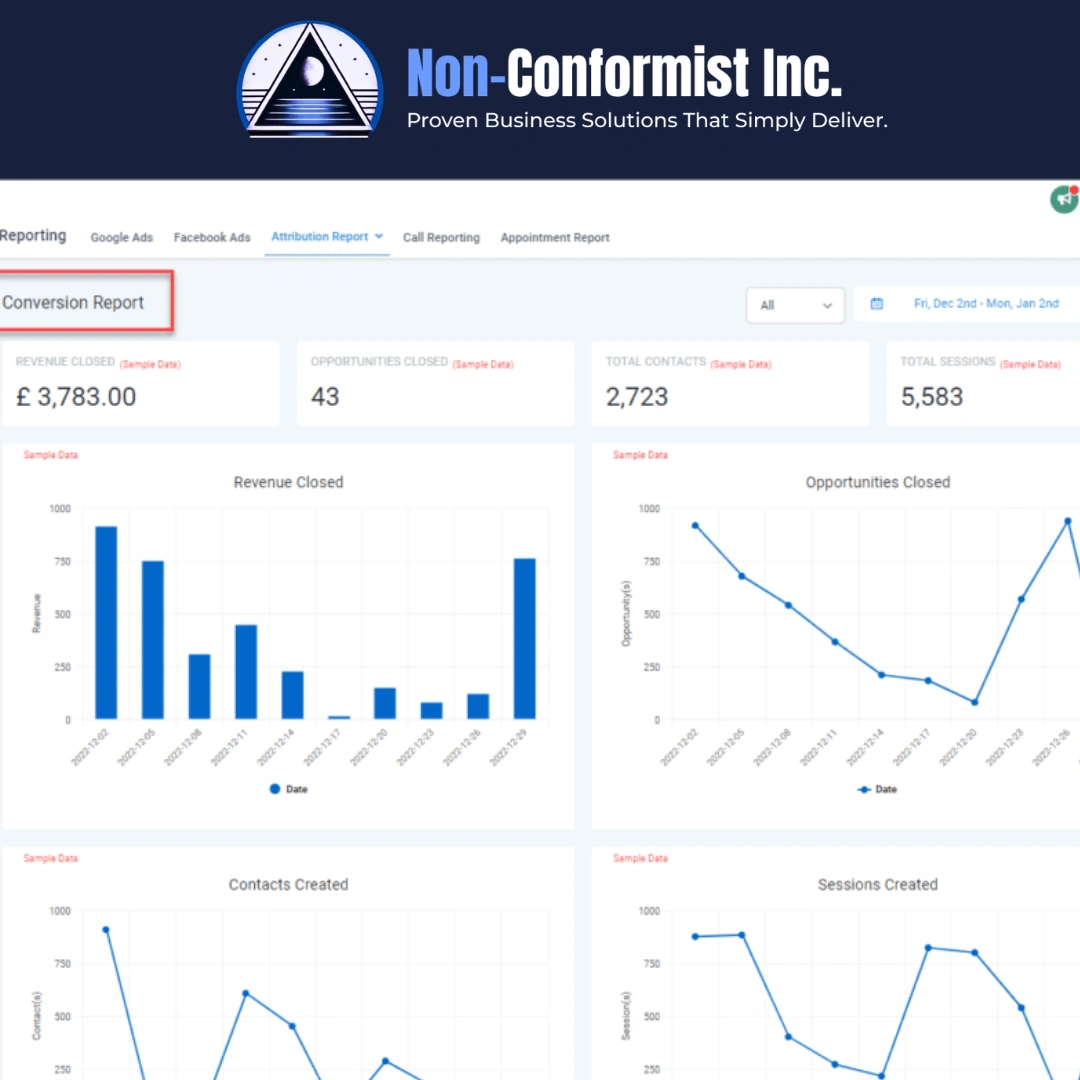
We examine contact organization, pipeline structure, lifecycle stages, task management, CRM automation, data quality, team adoption, opportunity tracking, and whether the CRM reflects the way your company actually sells.
CRM Command Center BuildBusiness Workflow Audit
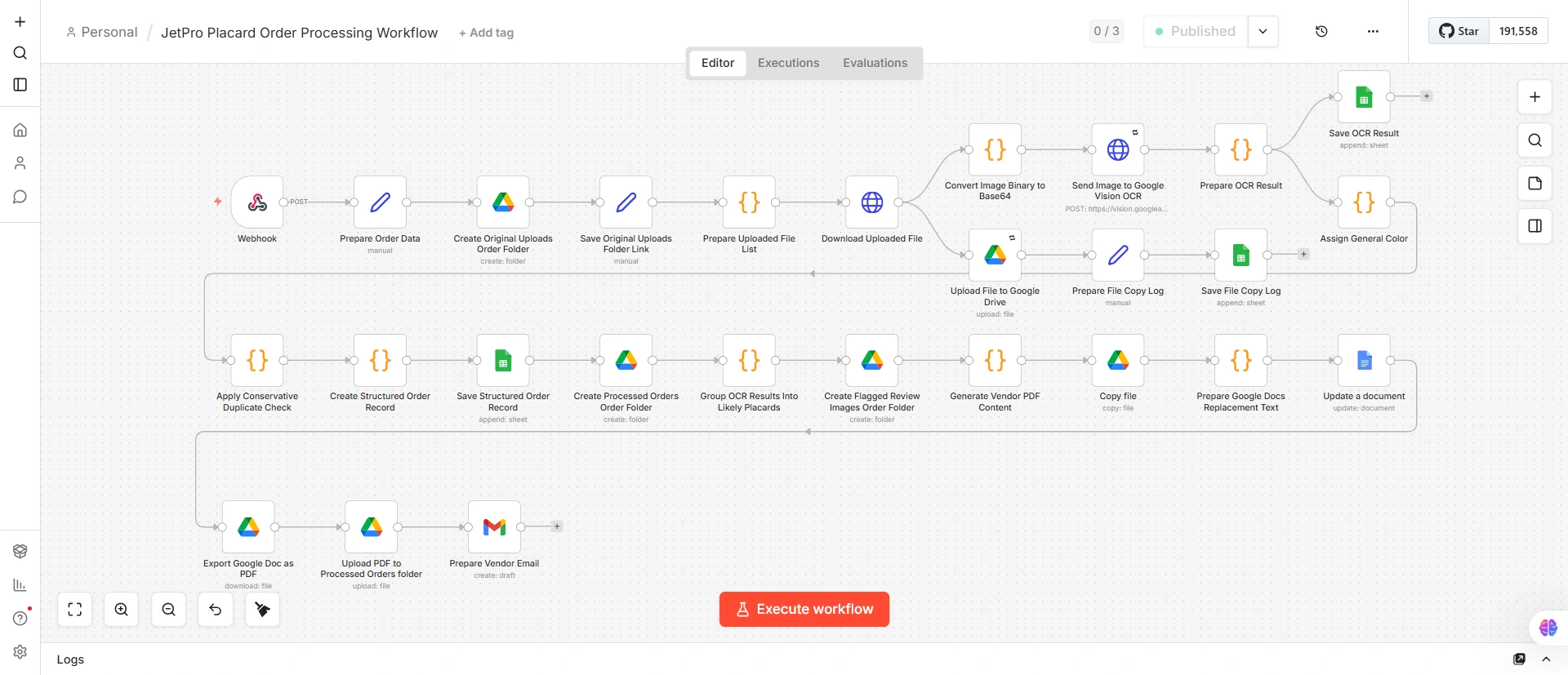
We review how work, information, and responsibility move between sales, administration, service delivery, leadership, and customer success to identify bottlenecks, unclear ownership, incomplete handoffs, and duplicate work.
Operations Workflow SystemLead Capture and Follow-Up Audit
We evaluate whether leads from forms, calls, email, advertising, referrals, and landing pages are captured, routed, owned, and followed up consistently—or slipping through avoidable gaps.
Lead Capture & Follow-Up SystemReporting and Visibility Audit
We review whether leadership has accurate reporting dashboards and can understand sales, pipeline, lead-source, marketing, and operational performance without manually chasing information.
Dashboards & Reporting SystemBusiness Operations Audit
We examine onboarding, project handoffs, task assignment, approvals, documentation, customer communication, quality control, and the internal business operations the company depends on after a lead becomes a customer.
Operations Workflow SystemTools, Integrations, and Data Audit
We identify duplicated software, disconnected platforms, incomplete integrations, unnecessary manual data entry, inconsistent records, and places where important information becomes unavailable or unreliable.
Website and Conversion Audit
Where relevant, we examine how the website supports lead capture, qualification, CRM entry, conversion tracking, sales follow-up, and revenue attribution as part of the larger sales system.
Website-to-Revenue SystemAutomation and AI Readiness Audit
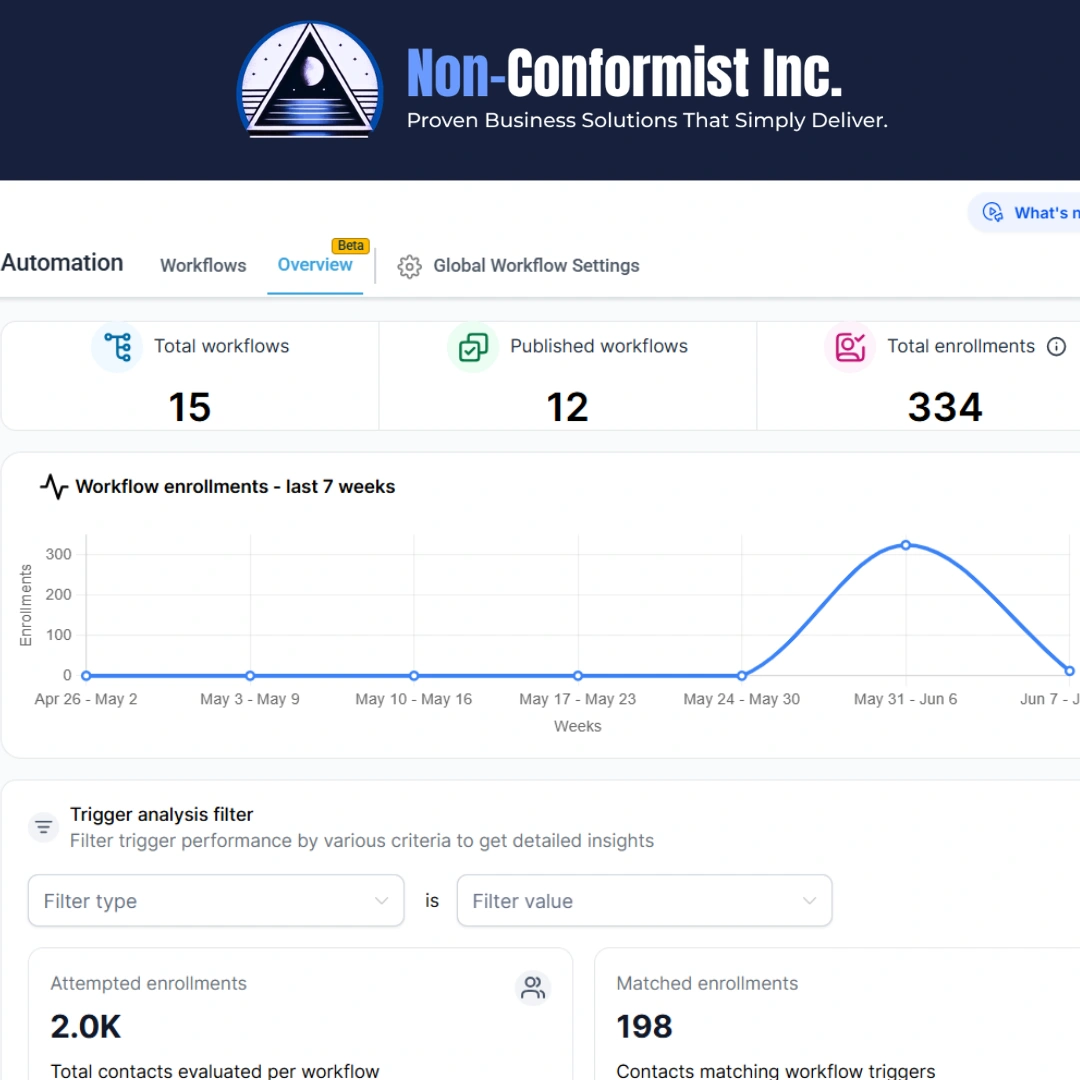
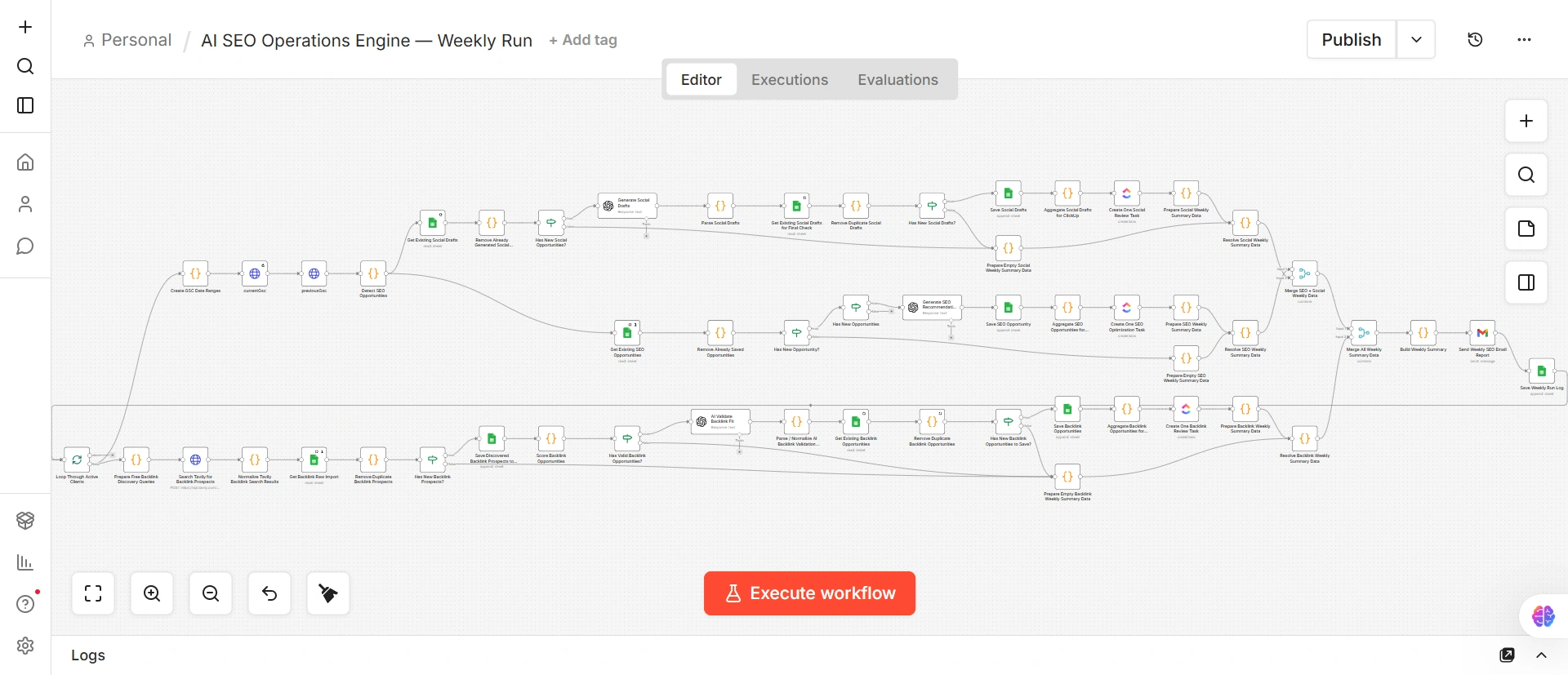
We identify repeatable work that may benefit from business process automation or carefully implemented AI workflows, and assess whether your processes and data are ready to support automation reliably.
AI Workflow & Agent BuildHow the Business Systems Assessment Works
Intake
You provide context about the company, its goals, team, customers, current software, and the problems you are experiencing. We may request relevant platform access, reports, documents, workflows, and examples.
Systems Review
We examine how the company operates across CRM, lead handling, follow-up, reporting, workflows, tools, data, and business operations—looking at how the systems connect, not only how each platform works alone.
Diagnosis
We identify the most important points of friction and separate root problems from visible symptoms. This determines whether you need a new system, better configuration, cleaner data, clearer processes, or stronger integration.
Recommended Business System Design
You receive a prioritized build path explaining what should be addressed first, what should follow, and why the sequence matters. The result is a defined direction rather than an open-ended consulting engagement.
A focused engagement with a defined scope and a usable result—not an open-ended project.
What a Business Systems Audit Costs
The assessment is priced as professional diagnostic work because it produces a usable analysis and prioritized build path—not simply a sales recommendation. Your company leaves with a clearer understanding of its workflows, operational gaps, technology needs, and recommended business system design.
Typical range: $3,500–$5,000+ , depending on the number of systems involved, the size of the team, the complexity of the business operations, and the condition of the company’s current tools and data.
Final scope and price are confirmed with you before anything begins. No surprises.
Request Your AssessmentThis Is Probably Not the Right Fit If…
We would rather be direct. The Business Systems Assessment is probably not the right fit if any of these are true:
- You're looking for a free consultation or a quick opinion.
- You already know exactly which system needs to be built — in that case, skip the diagnostic and choose your system directly.
- Your total budget for systems work is under $2,500.
- You're not ready to share access to your current tools and data during the review.
- You need a full management consulting engagement, not a focused systems diagnostic.
Avoid the Cost of Building the Wrong Business System
Implementing the wrong system first can cost more than the original problem. The company pays for software, configuration, migration, training, lost time, and disruption—but the real bottleneck remains. A business systems audit reduces that risk by determining whether the priority should be CRM automation, lead follow-up, reporting dashboards, business process automation, website conversion, data cleanup, or a better internal workflow.
Common Questions
What is a business systems audit?
What does the Business Systems Assessment review?
What do we receive after the audit?
Is the assessment really paid?
How is this different from a CRM audit?
What if the assessment shows we do not need a large build?
Do we have to hire Nonconformist Inc. for implementation?
How much does a business systems audit cost?
Find the Right Business System to Fix or Build First
Before investing in another platform, automation, website, CRM rebuild, or operational system, make sure it addresses the right problem. The Business Systems Assessment gives you a clear diagnosis, a prioritized business system design, and a practical direction for improving how your company operates.
Request Your Business Systems Audit
Tell us about your company, the systems you currently use, and the problems you are trying to solve. We review every request to confirm whether the Business Systems Assessment is the appropriate next step.
This is a paid diagnostic engagement—pricing starts at $2,500. Final scope and pricing are confirmed before work begins.